Trying to choose between Needham and Wellesley for your next home? You’re not alone. Both towns check a lot of the same boxes: strong public schools, commuter-rail access, classic New England neighborhoods, and vibrant village centers. The difference comes down to price, lot size, daily commute feel, and which lifestyle details matter most to you. In this guide, you’ll get a clear, side-by-side view so you can move forward with confidence. Let’s dive in.
Needham vs. Wellesley at a glance
- Price tier and value: Multiple market measures put Wellesley above Needham on pricing. Redfin reported a January 2026 median sale price near $1.97M for Wellesley and a December 2025 median near $1.60M for Needham. Zillow’s ZHVI showed roughly $1.95M for Wellesley (Jan 2026) and $1.47M for Needham (Dec 2025). Prices shift month to month, so confirm the latest before you write an offer.
- Schools snapshot: Both districts meet state targets. According to Massachusetts DESE’s 2025 accountability profiles, Needham’s district earned a reported accountability percentage around 93 percent while Wellesley’s district also met or exceeded targets with slightly lower accountability percentiles. You can review district profiles using DESE’s accountability reports on the state site.
- Commute & transit: Both towns connect to Boston by MBTA commuter rail. Needham sits on the Needham Line, which runs to South Station with multiple in-town stops. Wellesley has three stations on the Framingham/Worcester Line with a mix of local and express trains into Back Bay and South Station. Census estimates put mean commute times near 27 to 28 minutes for both towns, though your actual drive can vary based on Route 9, I‑95/Route 128, or the Mass Pike. See the Needham Line station overview and a Wellesley stop profile here.
- Property taxes: FY2026 residential tax rate in Needham was $10.83 per $1,000 of assessed value, per the town’s finance page here. Wellesley’s FY2026 residential rate was $10.17 per $1,000 according to the town’s published Tax Rate and Levy History. Because Wellesley’s assessed values tend to be higher, typical annual tax bills there are usually larger despite the slightly lower rate.
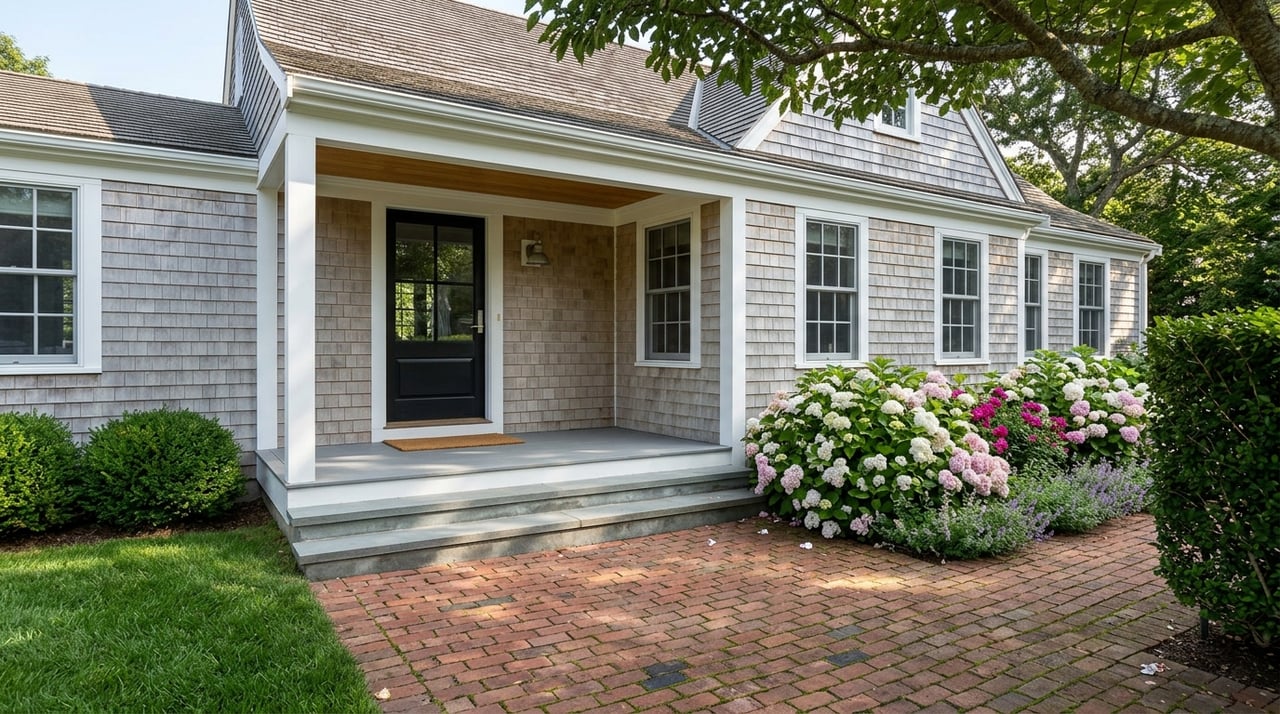
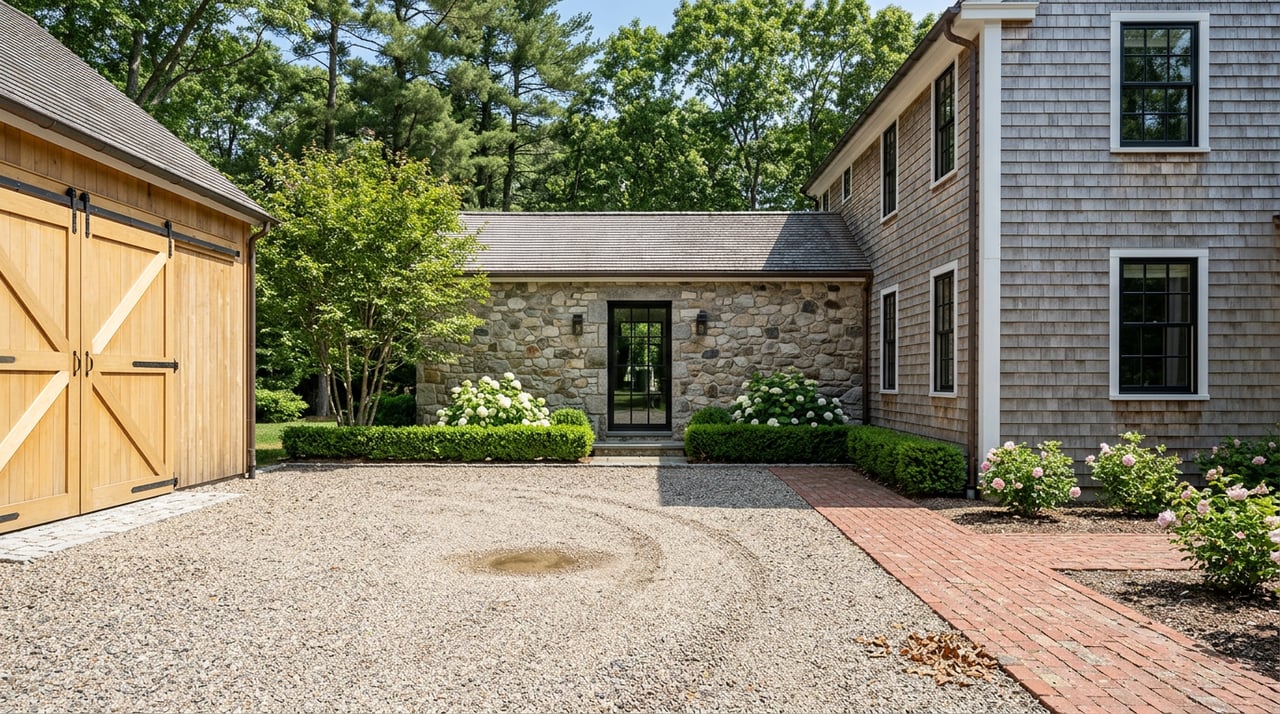
- Lot size & character: Needham offers many village-center neighborhoods with modest suburban lots. Wellesley includes more areas with larger parcels, including estate-scale lots in places like Wellesley Farms. Press coverage periodically highlights multi-acre listings in Wellesley’s high end, such as those noted by Barron’s.
What you get for your budget
Entry to mid-tier single-family
- Needham: You’ll often find 3 to 4 bedroom homes in the low to mid $1M range, moving up toward the mid $1M to $1.6M band depending on location, lot, and level of updates.
- Wellesley: Entry-level single-family options for many family buyers commonly start higher, often around $1.5M to $2.5M, with neighborhood and condition driving the final number.
These bands reflect recent market patterns. Sale prices and composition shift month by month, so use current medians and on-market comps when you are ready to write.
Move-up and new construction
- Both towns: New builds and larger renovated homes typically trade above $2M. Needham often offers new construction around the low to mid $2M range. Wellesley shows more inventory above $3M and periodic estate listings at much higher price points.
If you prefer turnkey living, expect to pay a premium for new or fully renovated homes. If you have flexibility to update over time, you can target an older home at a lower entry price.
Inventory and competition
Inventory has been tight across Greater Boston suburbs. Both towns can see fast-moving segments, especially around seasonally popular timelines and in well-priced listings. Low days on market often means multiple offers and terms like limited inspection windows. Your strategy should flex by price band and timing.
Schools: how to compare fairly
Both districts are well-regarded locally. For an objective view, use the state’s accountability data, which tracks achievement and growth. According to 2025 DESE reports, Needham’s district earned an accountability percentage around 93 percent while Wellesley’s district also met or exceeded targets with district-level accountability percentiles in the low to mid 80s. You can explore recent accountability profiles and methodology on the DESE site.
A few practical tips as you plan:
- Check official attendance boundaries before you bid. Districts update maps and feeder patterns, and some streets straddle boundary lines.
- Compare course offerings and programs that matter to you. Review AP options, arts, language offerings, and student-support services.
- Visit schools and speak with the district for the most current information. Online ratings often lag reality.
Private-school access
Wellesley hosts Dana Hall and is close to many private options in the Newton–Boston corridor. Needham is home to St. Sebastian’s and is also well positioned for private-school commutes in neighboring towns. If you plan to apply, consider application timelines and morning traffic patterns when you select a neighborhood. You can browse Wellesley-area private-school options via Private School Review.
Commute, transit, and access to Boston
Commuter rail options
- Needham: The MBTA Needham Line serves Needham Heights, Needham Center, Needham Junction, and Hersey, with service to South Station. Review timetables and parking rules, and test a run at your target commute time. See a Needham Line overview here.
- Wellesley: Wellesley Farms, Wellesley Hills, and Wellesley Square sit on the Framingham/Worcester Line. Some trains run express, which can change your door-to-desk time significantly. Station profiles and maps are a good starting point, such as the Wellesley Hills station page.
Driving reality
The Census reports a mean travel time to work near 27 to 28 minutes in both towns. See Needham’s profile as a baseline on Census Reporter. Your actual times can vary widely. If you will drive daily, test your route during peak hours on Route 9, I‑95/Route 128, or the Mass Pike to your exact destination.
Neighborhood character and lots
Wellesley: more estate-scale pockets
Wellesley’s housing stock includes classic early 20th-century architecture, renovated colonials, and newer luxury builds. Areas like Wellesley Farms and the Cliff Estates feature larger parcels and, at times, multi-acre estates. High-end inventory appears periodically in the press, as seen in this Barron’s feature. Near Wellesley Square and Linden Square, you’ll find walkable village amenities.
Needham: village centers and active rebuilds
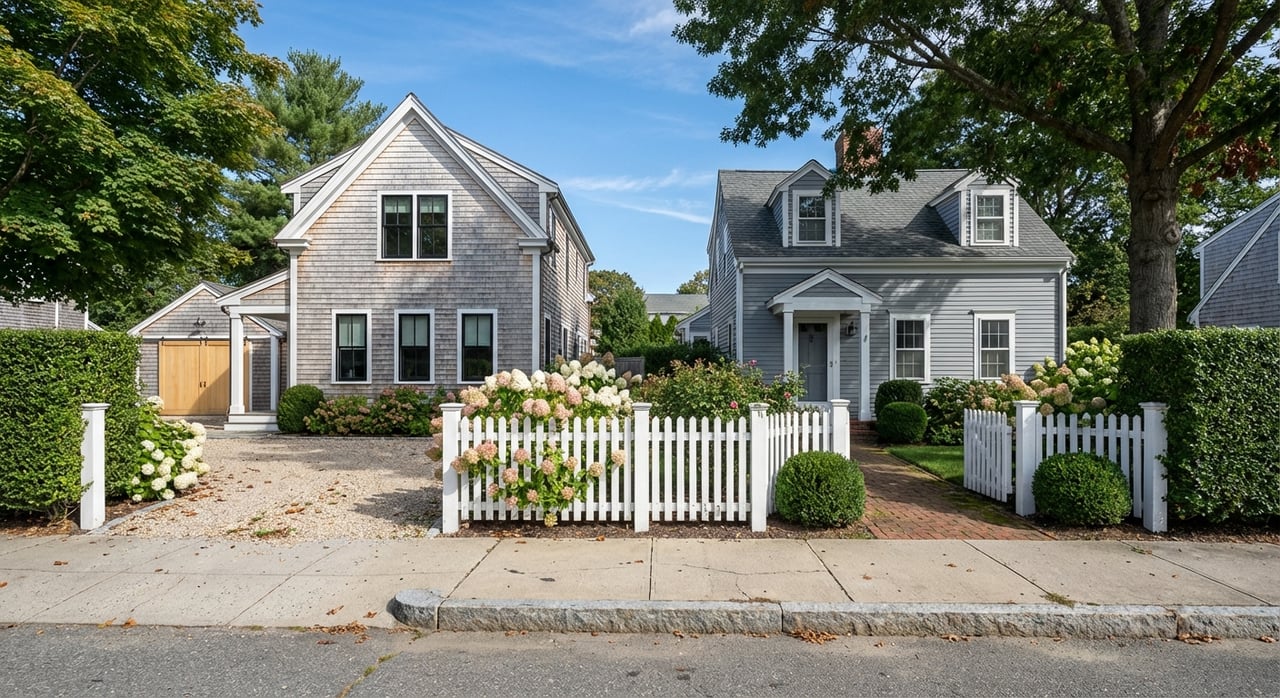
Needham blends walkable centers with mid-century neighborhoods and corridors of new construction. Typical lots in many areas fall around a quarter to a half acre. The town maintains assessment and property information on its Assessing page, which is useful when you want to dig into parcel details after you identify a property.
Age and finish: what to watch
Many homes in both towns were built decades ago. Older homes can offer charm and strong neighborhood context, but plan for systems updates over time. Newer construction usually brings modern layouts and energy improvements at a higher upfront cost. If you are considering an older house, review likely improvements, from insulation and electrical to HVAC and windows. For a helpful primer on buying older homes, see this Boston Globe overview.
Taxes and cost of ownership
Property tax rate is only one part of your annual cost. The FY2026 residential rates were $10.83 per $1,000 in Needham (town source) and $10.17 per $1,000 in Wellesley (rate history PDF). Because Wellesley’s assessed values are typically higher, many households there pay larger bills overall even with the slightly lower rate. Your bill equals assessed value divided by 1,000, then multiplied by the tax rate. Verify the assessed value used for billing when you go under contract.
Also consider:
- Insurance and potential flood or special coverage if applicable to the property.
- Utility costs, which can vary based on home size, age, and improvements.
- Near-term maintenance plans, especially for older roofs, windows, or HVAC.
How to choose: a simple framework
Use this quick framework to narrow your focus:
- Budget first: If your comfortable range tops out around the mid $1M band, Needham will likely offer more options. If you can go above $2M and want larger-lot neighborhoods, Wellesley opens up.
- Lot and yard: If larger parcels are a priority, shortlist Wellesley neighborhoods known for half-acre or larger lots. If you prefer a village feel with modest yards, many Needham areas fit well.
- Commute preference: If you will rely on the Needham Line into South Station, focus near those stops. If your office is near Back Bay or you can catch an express on the Framingham/Worcester Line, test Wellesley’s stops.
- School logistics: Review DESE accountability data, programs that matter to you, and official boundary maps. Visit schools to get a current, firsthand view.
- Timeline and competition: Inventory is tight in both towns. If you target popular segments, plan for swift decision-making and a clear offer strategy.
- Private-school access: If that is central to your plan, map the daily route to your chosen school and weigh traffic patterns.
- Resale focus: Homes near transit, village amenities, and renovated or well-maintained properties tend to attract steady demand over time.
A 6–18 month buyer checklist
- Get fully preapproved, not just prequalified; understand your max and your comfort number.
- Align must-haves vs. nice-to-haves and rank neighborhoods in each town.
- Test your commute by rail and by car during peak hours for your exact route.
- Decide on renovation appetite and set a realistic improvement budget if you buy older.
- Clarify school considerations, from boundaries to program fit, using DESE data and district resources.
- Prepare an offer game plan: deposit strategy, inspection approach, and closing timeline that matches your lender and attorney.
- Reconfirm market stats and active comps within 30 days of any offer; numbers move.
Choosing between Needham and Wellesley is a high-quality problem. Both towns deliver strong schools, excellent access to Boston, and the long-term stability many buyers want. The right choice comes down to your budget, the lot and feel you prefer, and your daily routine. If you want a data-driven partner who knows both markets inside and out, reach out to Jarrett Hurwitz for a friendly, no-pressure consultation.
FAQs
How do home prices compare between Needham and Wellesley in 2025–2026?
- Redfin reported a January 2026 median sale price near $1.97M in Wellesley and a December 2025 median near $1.60M in Needham; Zillow’s ZHVI showed about $1.95M for Wellesley and $1.47M for Needham in the same period.
Are the public schools strong in both towns based on state data?
- Yes. DESE’s 2025 accountability profiles show both districts meeting or exceeding targets; Needham’s district reported around 93 percent while Wellesley’s district posted slightly lower accountability percentiles.
Which town offers an easier commute to Boston?
- It depends on your destination and schedule. Needham’s MBTA line runs to South Station, while Wellesley’s line serves Back Bay and South Station with some express runs; average commute times are similar, so test your exact route.
Are property taxes higher in Wellesley or Needham?
- Wellesley’s FY2026 residential rate was slightly lower than Needham’s, but typical annual bills in Wellesley are usually higher because assessed values tend to be higher; always confirm the property’s assessed value.
What lot sizes can I expect in each town?
- Many Needham neighborhoods feature lots in the quarter- to half-acre range, while Wellesley includes more half-acre and larger parcels, plus some estate-scale properties in areas like Wellesley Farms.
How competitive is the market right now?
- Inventory is tight in both towns and conditions vary by month and price band; expect faster movement and stronger competition on well-priced homes, especially in popular family segments.