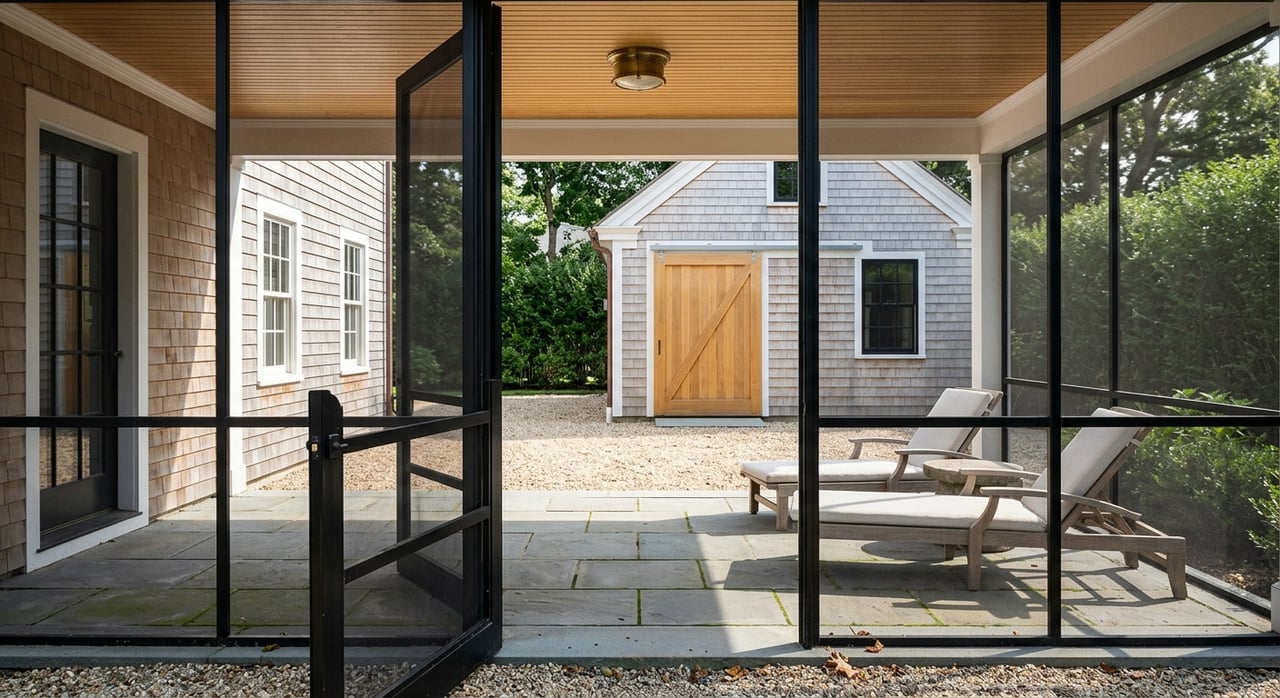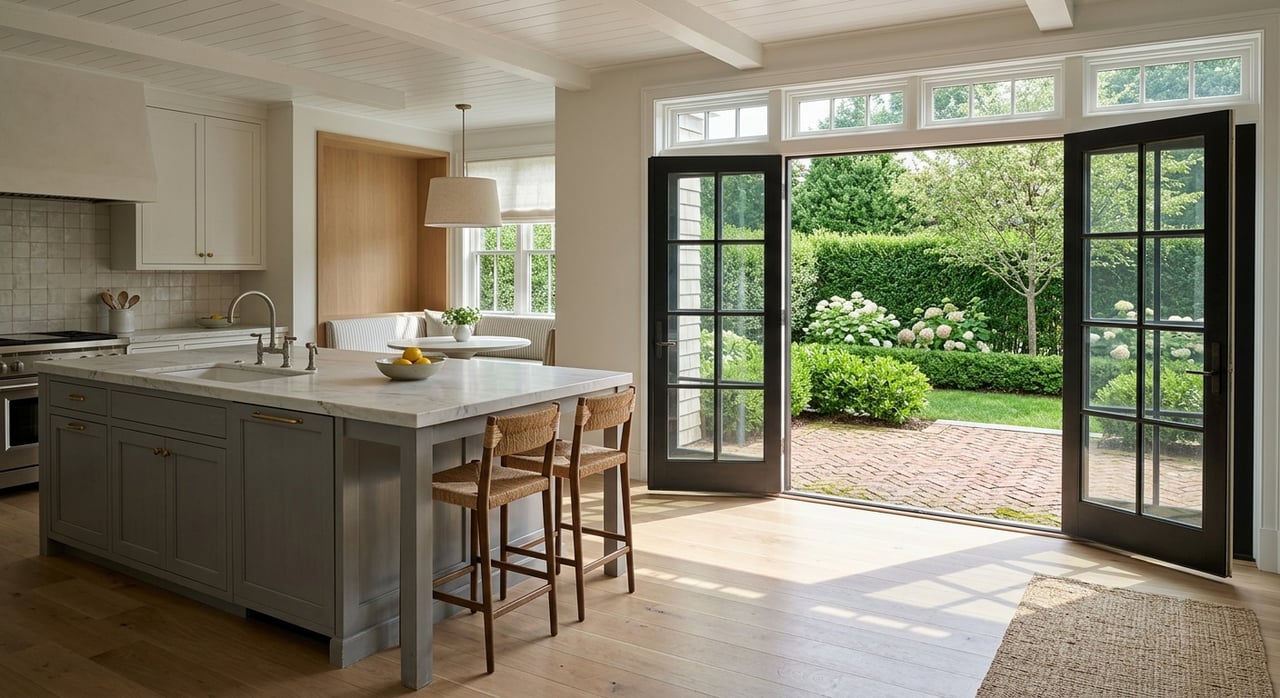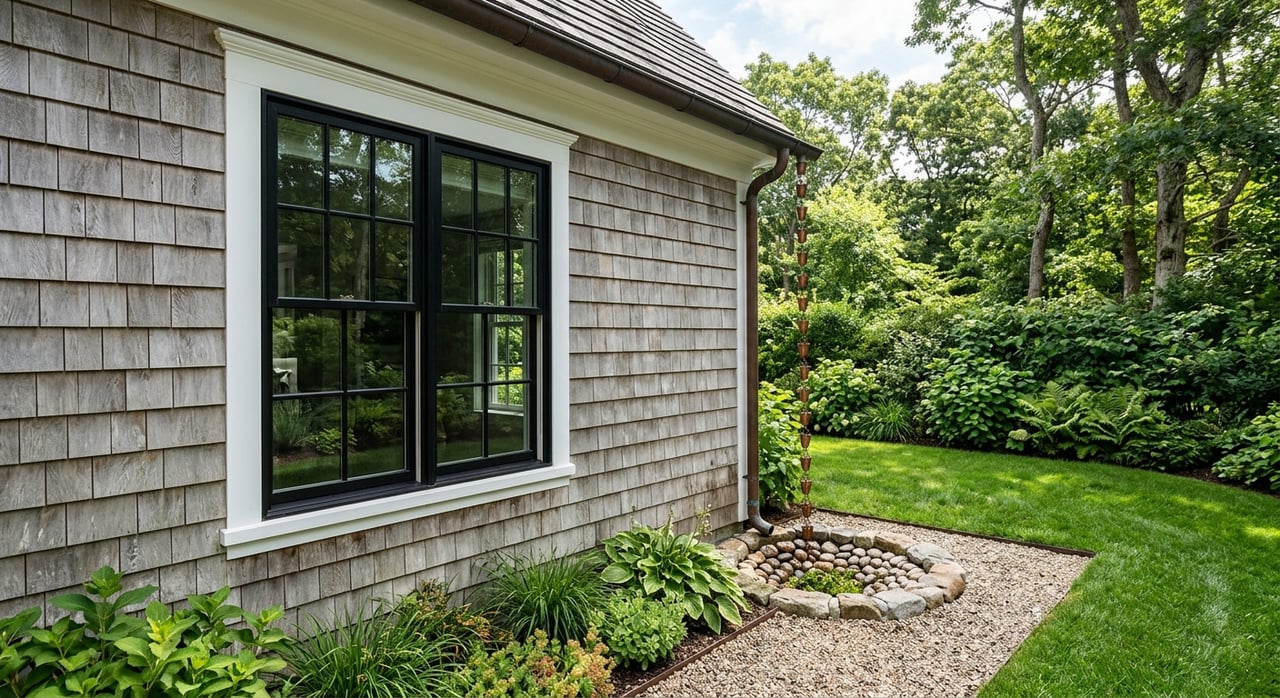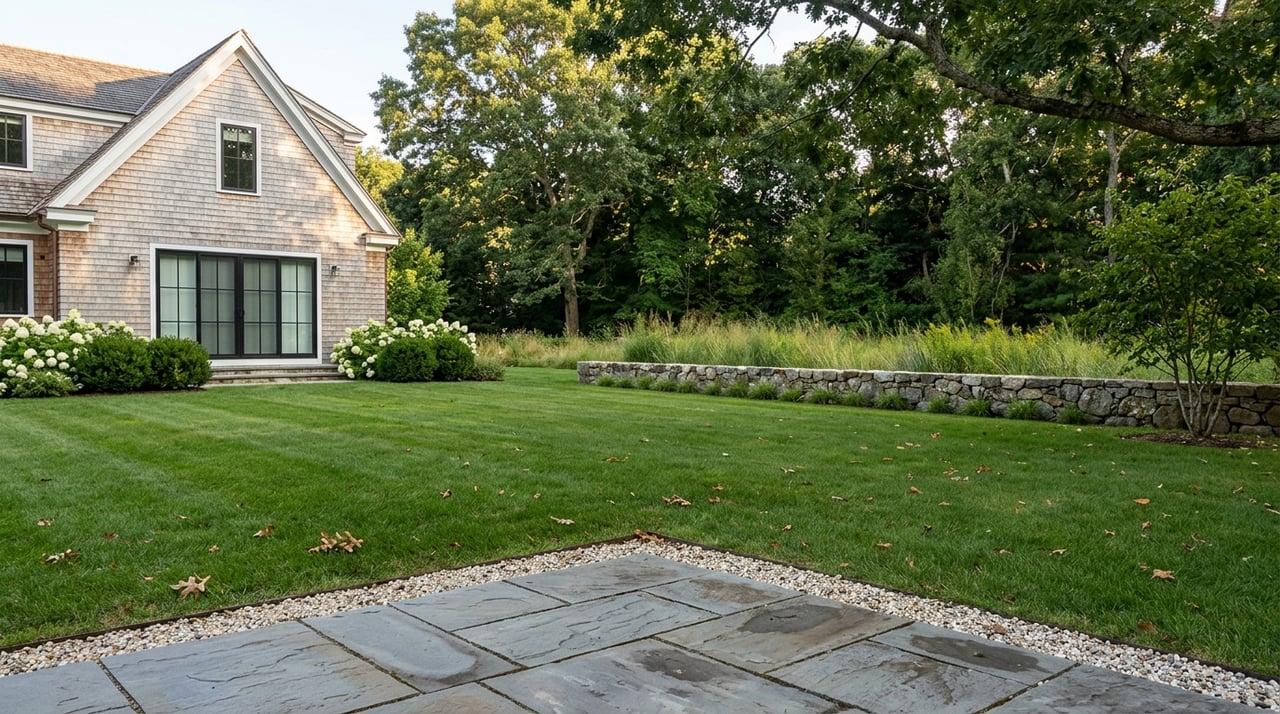
Craving a place that feels exclusive without trying too hard? Chilmark offers a rare kind of luxury, one built around land, long views, and a slower island rhythm rather than crowds or constant activity. If you are exploring Martha’s Vineyard for a second home, a legacy property, or a private retreat, understanding how Chilmark actually works can help you decide whether its quiet appeal matches your goals. Let’s dive in.
Why Chilmark Feels Different
Chilmark is one of the smaller and less built-up towns on Martha’s Vineyard. The 2020 Census lists 1,212 residents, and a town preservation plan cites a 2023 ACS five-year estimate of 1,726 year-round residents. Those figures help explain why the town often feels spacious and intentionally low-key.
The town covers about 21 square miles and is surrounded on three sides by water. With most roadways described by the town as dirt and one lane wide, Chilmark does not present itself as a place centered on speed or convenience. Instead, it offers a setting where the landscape tends to lead the experience.
That low-density character is part of what many buyers are really responding to. Compared with busier island centers, Chilmark reads more like a retreat. If your idea of luxury is privacy, quiet, and room to breathe, that difference matters.
Land Shapes the Lifestyle
In Chilmark, land is not just a backdrop. It is a defining feature of daily life and a major factor in real estate value. The town’s planning mission focuses on preserving open areas, natural features, agriculture, fishing and shellfishing character, shoreline, forests, ponds, and scenic vistas.
That mission shows up clearly in local zoning. Much of Chilmark’s Agricultural-Residential zoning generally requires 3 acres per dwelling, while other districts require 1.5 or 2 acres. Setbacks range from 25 to 50 feet, reinforcing the sense of separation between homes.
For buyers, this means the town’s built environment often feels more open and more protected than in denser resort markets. You are not just buying a house. You are often buying into a planning framework designed to preserve space, views, and a rural coastal setting.
Conservation Matters in Real Estate
Chilmark’s sense of quiet is not accidental. It is supported by active local oversight and a broader island conservation culture. The Conservation Commission administers the Massachusetts Wetlands Protection Act and Chilmark’s local wetlands bylaw, with authority over wetlands, beaches, coastal banks, salt marshes, streams, tidal flats, and related resource areas.
In practical terms, that means raw acreage does not always equal simple development potential. Buildable area can be shaped by wetlands, shoreline buffers, habitat constraints, and coastal district rules. In a market like Chilmark, evaluating land requires more than looking at lot size on paper.
This is also part of what keeps the town feeling so visually intact. Across Martha’s Vineyard, the Land Bank reports that 4,206 acres, or 7% of the island, have been conserved. In Chilmark, preserves such as Fulling Mill Brook, Middle Line Woods, Ocean View Farm, and Chilmark Pond support the town’s long-standing relationship with open land and scenic views.
Views Over Activity
Chilmark tends to attract buyers who value setting more than nonstop amenities. The appeal here is not a packed downtown or a long list of commercial attractions within a few blocks. It is the feeling of being tucked into a landscape of ponds, shoreline, fields, woods, and big sky.
That does not mean there is no variety in the housing stock. A town fire department strategic plan notes that housing ranges from modest dwellings to very large homes, including some over 10,000 square feet. What ties the market together is less a single home style and more a shared emphasis on privacy, land, and outlook.
For many second-home buyers, that combination is exactly the point. Chilmark can offer estate-scale property and a laid-back pace while still being part of Martha’s Vineyard. It is a luxury market, but one that usually expresses itself quietly.
Menemsha Adds a Working Harbor Feel
One of Chilmark’s most distinctive features is Menemsha Harbor. The harbor welcomes both recreational and commercial boaters, with transient mooring and dockage reservations managed through the town. Just as important, local policy supports preserving Menemsha’s visual character as a fishing port while supporting commercial fishing in the basin.
That gives Chilmark something many luxury markets lack: a real working-waterfront identity. Menemsha is not just scenic. It reflects the town’s connection to the water in a practical, lived-in way.
For buyers, that can deepen the appeal of the area. You are not only getting coastal views. You are stepping into a place where the harbor still plays an active role in local life.
Beach Access Is Part of the Story
Beach access in Chilmark is more structured than many buyers first expect. According to the town, Lucy Vincent Beach and Squibnocket Beach require seasonal vehicle stickers or walk-on passes, and use is limited to Chilmark residents, their guests, and tenants. Menemsha Beach does not require a fee.
The town also notes that Lucy Vincent and Squibnocket do not have lifeguards, while Menemsha Beach has a lifeguard on duty from 9 a.m. to 5 p.m. This limited-access structure is a key part of Chilmark’s low-key reputation. The beach experience here tends to feel quieter and more controlled than in busier vacation destinations.
If you are considering a purchase, these details matter. Access rules, guest use, and tenant eligibility can all affect how you plan to enjoy the property or share it with family and visitors.
Who Chilmark Often Appeals To
Based on the town’s low density, large minimum lot sizes, conservation protections, and seasonal patterns, Chilmark often appeals to privacy-oriented buyers. It is especially well suited to those looking for a second home, a long-term family retreat, or a property where the setting carries as much value as the structure itself.
The market can also make sense for buyers thinking in generations rather than seasons. Large parcels, protected views, and a less built-up environment often align with legacy-minded ownership. For some households, that means creating a gathering place that feels durable and hard to replicate.
Chilmark may be less compelling if your top priority is walkability to a busy commercial center or constant activity. Its strengths are different. The draw is quiet luxury, not convenience-driven living.
What Buyers Should Evaluate Carefully
In Chilmark, it helps to look beyond the surface beauty of a property. A home with acreage and views may still come with important land-use considerations. Wetlands oversight, coastal district rules, setbacks, and access details can all affect how a property functions over time.
A smart buying process usually includes close attention to:
- Zoning district and minimum lot requirements
- Wetlands and coastal district constraints
- Shoreline and pond proximity
- Access rules for beaches and harbor amenities
- Seasonal use patterns and guest planning
- The difference between privacy and convenience
This is where local knowledge becomes especially valuable. In a nuanced market like Chilmark, the best opportunities are not always about the largest house or the highest elevation. Often, they come from understanding how land, regulation, and lifestyle fit together.
Why Quiet Luxury Holds Value
Chilmark’s appeal is rooted in qualities that are hard to manufacture. Large-lot zoning, conservation priorities, rural roads, restricted beach systems, and a working harbor all contribute to a setting that feels protected from overdevelopment. That creates a version of luxury that is more about experience than display.
For the right buyer, that can be incredibly compelling. You may find that the real value here is not just square footage or finishes, but the ability to own space, preserve privacy, and enjoy a part of Martha’s Vineyard that remains intentionally understated.
If you are weighing whether Chilmark is the right fit, it helps to work with an advisor who understands both the numbers and the lifestyle behind them. For tailored guidance on Martha’s Vineyard properties, valuations, and second-home strategy, connect with Jarrett Hurwitz.
FAQs
What makes Chilmark real estate feel more private than other Martha’s Vineyard towns?
- Chilmark has a small population, low density, large minimum lot sizes in many zoning districts, and a strong preservation focus, all of which contribute to a more spacious and private feel.
What should buyers know about land use in Chilmark, MA?
- Buyers should understand that zoning, setbacks, wetlands oversight, and coastal district rules can significantly shape what can be built, renovated, or expanded on a property.
What is special about Menemsha in Chilmark?
- Menemsha gives Chilmark a working harbor identity, with support for both commercial fishing and recreational boating, which adds depth to the town’s coastal character.
What are the beach access rules in Chilmark?
- Lucy Vincent Beach and Squibnocket Beach require seasonal stickers or walk-on passes and are limited to residents, guests, and tenants, while Menemsha Beach does not require a fee.
Who is Chilmark, Massachusetts best suited for?
- Chilmark often appeals to second-home buyers, legacy-property purchasers, and households that prioritize acreage, views, privacy, and a slower pace over walkability and commercial activity.