Dreaming about a Cape escape that is close enough for a weekend but different enough to feel like a real reset? For many Greater Boston buyers, Barnstable stands out because it offers more than one version of Cape Cod living. If you are weighing a second home here, it helps to understand how the town actually works, from village personalities to beach logistics and seasonal access. Let’s dive in.
Why Barnstable Appeals to Boston Buyers
Barnstable is the largest town on Cape Cod by area, with about 60 square miles, seven villages, and a population of 48,916 as of the 2020 Census. It stretches between Cape Cod Bay and Nantucket Sound, which gives you a wide range of settings within one town. That variety matters if you want a second home that fits how you plan to use it.
For Greater Boston buyers, Barnstable can feel like a practical escape. You get classic Cape coastal appeal, but you also get a town with a strong commercial and transportation center in Hyannis. That mix can make part-time ownership easier, especially if you want both convenience and a true getaway feel.
Another key point is that Barnstable does not behave like one single market. Town planning materials show that each village has its own development pattern and visual character. In real terms, that means your search should be village by village, not just town wide.
Barnstable Works Like Seven Micro-Markets
If you come from Greater Boston, you may be used to evaluating location block by block or neighborhood by neighborhood. Barnstable rewards the same approach. The town’s seven villages create a set of micro-markets with different housing styles, rhythms, and ownership experiences.
That is especially important for second-home buyers. Some buyers want walkability and easy transit connections, while others want a quieter setting that feels removed from daily routines. In Barnstable, both options exist, but usually not in the same village.
Hyannis: Convenience and Connectivity
Hyannis is Barnstable’s largest village and its commercial, transportation, cultural, and social-service center. It is also the most urbanized part of town, with strong access to downtown services, waterfront activity, and transit connections. If you want a second home that is easy to reach and easy to use without a lot of planning, Hyannis deserves a close look.
The Cape Cod Chamber describes downtown Hyannis as walkable, and the village serves as the Cape’s transportation hub. For Boston-area buyers, that can be a real advantage. You may find that Hyannis offers a more flexible ownership experience if you plan to come down often for shorter stays.
South-Side Villages: Classic Second-Home Cape Cod
If your mental picture of a Cape second home includes Nantucket Sound beaches and a more traditional vacation setting, the south-side villages may be the best fit. Cotuit, Osterville, and Centerville are the main villages along the southern coast. Each has a distinct feel.
Cotuit is the smallest and sits on water on three sides, which gives it a tucked-away quality. Osterville is known for upscale Main Street retail and larger homes. Centerville is described as a quieter residential community anchored by Craigville Beach and a historic Main Street.
For many second-home buyers, these villages align closely with the lifestyle they are trying to buy into. They often deliver the strongest sense of seasonal escape, especially if your priority is beach time and a slower pace.
North and Interior Villages: Quiet and Scenic
Barnstable Village, West Barnstable, and Marstons Mills offer a different kind of appeal. These areas skew quieter and more scenic, which may suit buyers who want a retreat that feels more residential or historic in character.
Barnstable Village includes antique homes, bay beaches, and the county courthouse. West Barnstable is associated with Sandy Neck and the restored 1717 Meetinghouse. Marstons Mills is largely residential, with cranberry bogs, lakes, and kettle ponds.
If you are less focused on the classic summer-beach routine and more interested in peaceful surroundings, these villages may stand out. They can offer a different side of Cape ownership that feels grounded and less tourism-driven.
Housing Styles Are Broader Than Many Buyers Expect
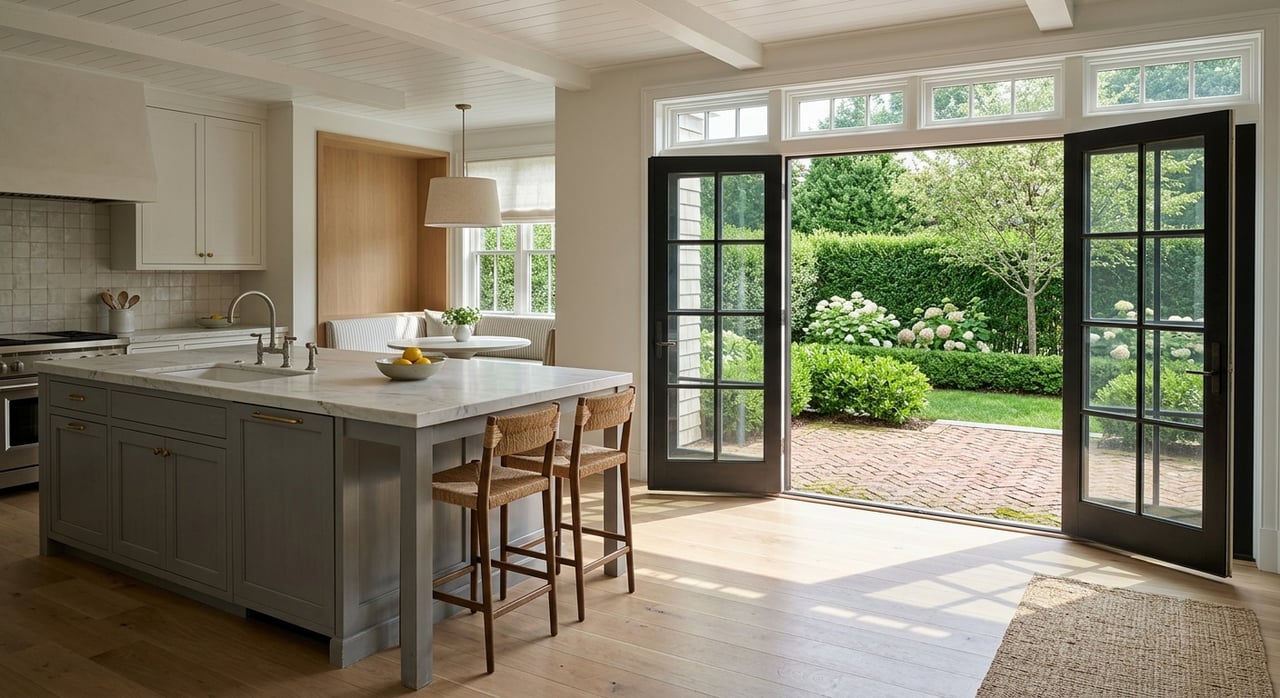
One of Barnstable’s strengths is the breadth of its housing stock. For a second-home market, it offers an unusually wide mix of architectural styles and home types. That range can open up more options depending on your budget, design preferences, and renovation tolerance.
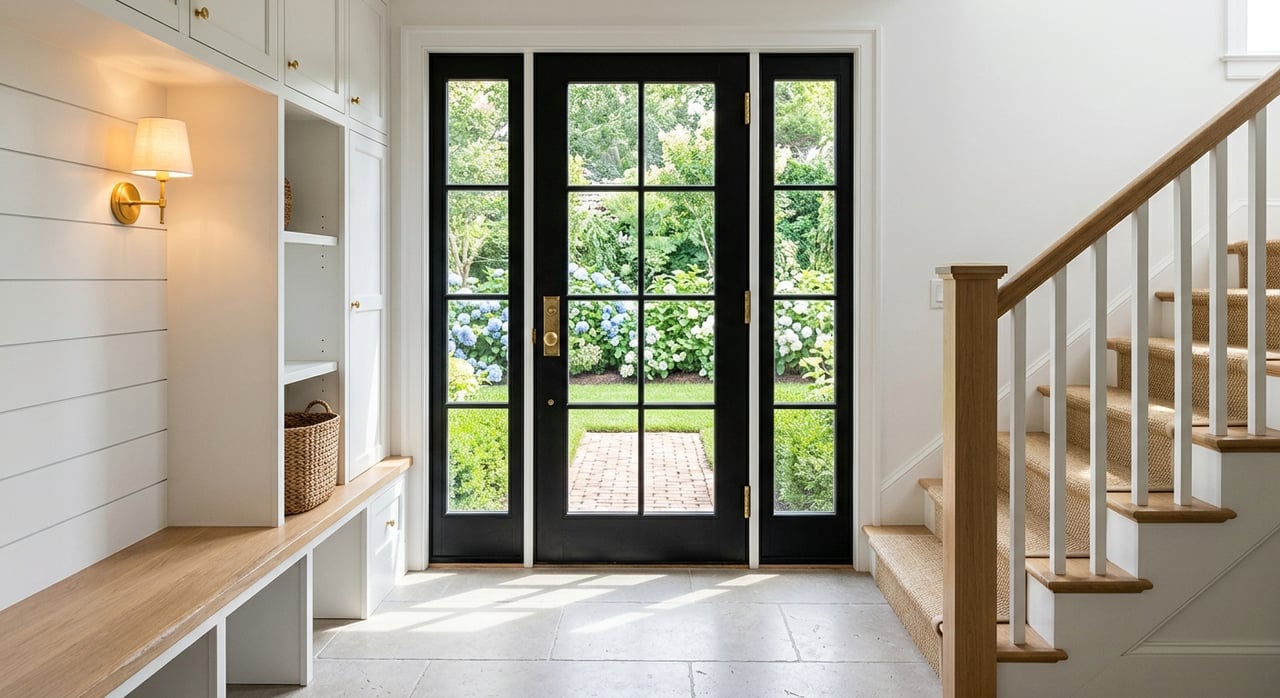
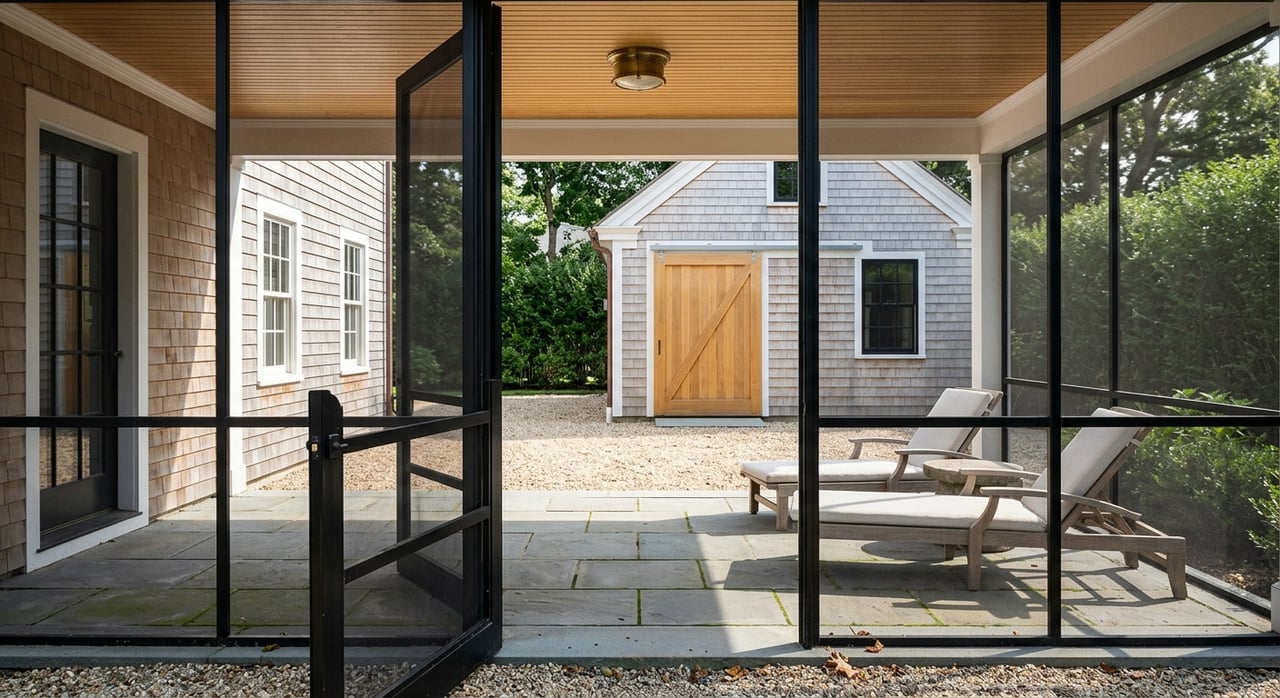
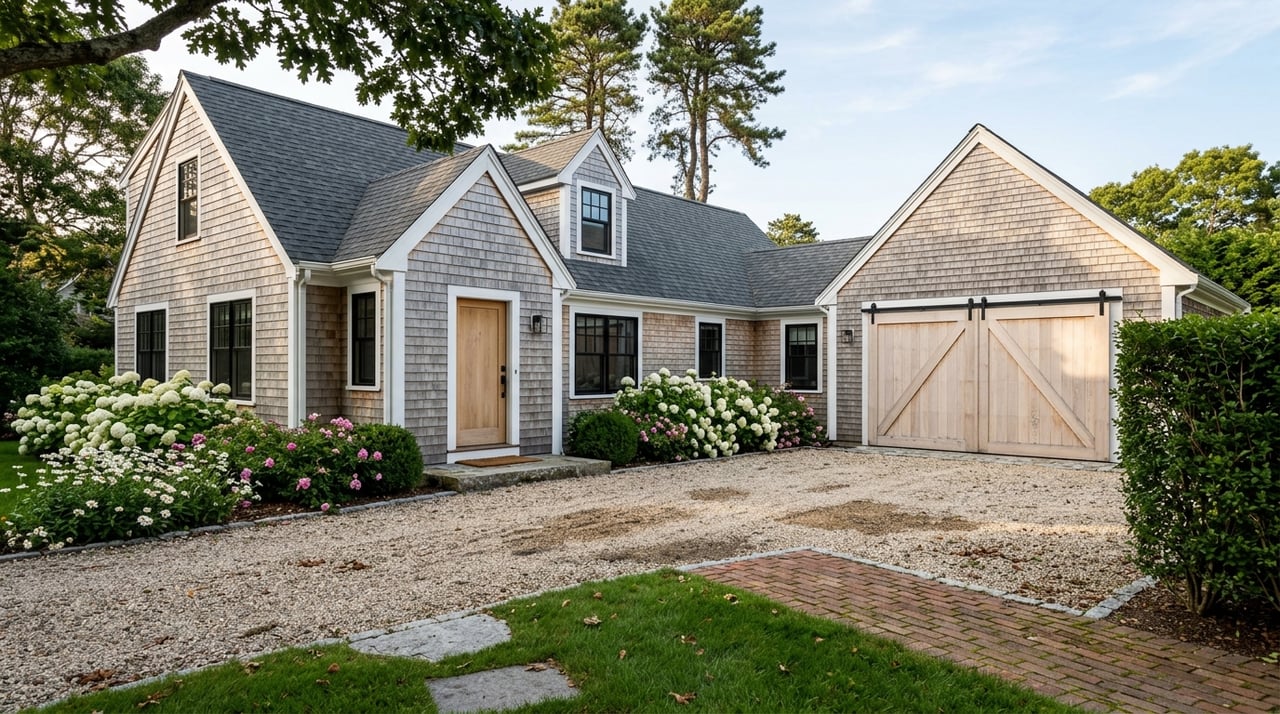
Town preservation materials note Cape Cod cottages in many forms across all villages. You will also find sea-captains’ houses in Barnstable and West Barnstable, Greek Revival and Italianate homes in Cotuit, Centerville, and Hyannis, Queen Anne and Shingle-style summer homes along the south coast, Colonial Revival homes townwide, and farmhouses with outbuildings along Route 6A and inland areas.
This variety matters for buyers coming from Greater Boston, where your second-home search may be tied to a very specific vision. In Barnstable, you can often choose between a more classic cottage feel, a substantial historic home, or a larger coastal property depending on the village. The right fit usually comes down to how much maintenance, space, and seasonality you want to manage.
What Part-Time Ownership Really Feels Like
Barnstable’s ownership experience is highly seasonal. That is part of its appeal, but it also affects how you use the property. If you are buying a second home, it is smart to think beyond the listing photos and picture your actual routine throughout the year.
The town’s beach and parking rules show how structured seasonal use can be. Resident beach parking permits are valid from January 1 through December 31, and resident parking permits are required year-round at posted resident beaches and town ways to water. Several staffed beaches begin service on Memorial Day weekend, while others open in late June.
Those details may sound small, but they shape how easy it is to enjoy the home when you arrive. For many second-home owners, smooth access to beaches and waterfront areas becomes part of the ownership equation. It is one more reason why choosing the right village is just as important as choosing the right house.
The town also prohibits dogs on town beaches and recreation areas from May 15 through September 15. If your second-home plans include bringing pets in the summer, that is an important rule to understand upfront. Clear expectations make for a better ownership experience.
Summer Energy, Shoulder-Season Calm
Barnstable has deep roots as a seaside resort town, with that tradition dating back to the 1870s according to town preservation materials. Today, that history still shows up in the town’s seasonal rhythm. Summer is busier, while the shoulder seasons often feel quieter and more relaxed.
For some Boston-area buyers, that contrast is a major selling point. You can enjoy the energy of peak season, then return in spring or fall for a calmer version of the Cape. If you expect to use your home outside the height of summer, Barnstable offers more than just beach days.
The Cape Cod Chamber points to cultural districts in Barnstable Village and Hyannis, along with beaches, golf, and village-scale civic spaces. That broader mix of activities can make ownership feel worthwhile beyond a narrow summer window. It gives you more reasons to use the property throughout the year.
Getting to Barnstable From Greater Boston
A second home only works if you will actually use it. For Greater Boston buyers, access is a major part of that calculation. Barnstable benefits from both road access and seasonal rail service.
The Massachusetts State Police identify the Bourne Bridge as the entry point to Cape Cod, with major routes including Routes 3 and 6. In the summer, CapeFLYER runs weekend service from South Station to Hyannis. The Hyannis Transportation Center also connects to local and intercity transit options, including the Barnstable Villager, SeaLine, the H2O Line, and intercity bus service.
That does not mean every trip will feel effortless, especially during peak Cape travel times. But it does mean Barnstable has a stronger transportation framework than some buyers expect. If convenience matters to you, especially for shorter weekend use, that is a meaningful advantage.
If You Plan to Rent It Out
Some second-home buyers want occasional rental income to offset ownership costs. If that is part of your plan, Barnstable has clear compliance requirements. It is important to understand those rules before you buy.
The town requires rental properties to register with the Health Division. Short-term rentals must also register with the Massachusetts Department of Revenue. According to the town’s finance information, Barnstable short-term rentals are subject to a combined 14.45% excise burden.
The town’s Health Division also states that rental registration is valid through December 31 and must be renewed annually. For buyers who expect to rent seasonally, this is manageable, but it is not something to treat casually. A good purchase decision should account for both the lifestyle upside and the operational responsibilities.
How to Think About Your Search
If you are a Greater Boston buyer considering Barnstable, the best approach is to start with your use case. Ask yourself how often you will come, what kind of setting helps you unwind, and whether rental potential is part of the plan. Those answers can quickly narrow the right village and property type.
A buyer who wants walkability, transit access, and a more flexible weekend base may lean toward Hyannis. A buyer chasing a classic Nantucket Sound second-home feel may focus on Cotuit, Osterville, or Centerville. A buyer looking for quiet, history, or a more residential setting may connect more with Barnstable Village, West Barnstable, or Marstons Mills.
This is where local strategy matters. Barnstable is not a one-note market, and broad assumptions can lead you in the wrong direction. A smart search connects your goals with the village-level reality on the ground.
If you are comparing Cape options from a Greater Boston lens, Barnstable deserves a close look because it combines strong beach appeal, varied village identities, and practical access. The right fit depends on how you want the home to live day to day, not just how it looks in summer. If you want help thinking through the options and matching your goals to the right Barnstable micro-market, Jarrett Hurwitz can help you build a smart, clear plan.
FAQs
What makes Barnstable a good second-home option for Greater Boston buyers?
- Barnstable offers seven distinct villages, broad housing variety, strong beach appeal, and practical access by road and seasonal rail, which can make it a flexible Cape option for part-time owners.
Which Barnstable villages feel most like classic Cape Cod second-home areas?
- Cotuit, Osterville, and Centerville are the south-side villages most closely associated with Nantucket Sound beaches and a traditional seasonal-home setting.
Is Hyannis a good fit for a Barnstable second home?
- Hyannis may be a strong fit if you value walkability, downtown services, waterfront activity, and transit connections in a more urbanized village setting.
What should buyers know about Barnstable beach parking and seasonal rules?
- Resident beach parking permits are valid for the calendar year, permits are required year-round at posted resident beaches and town ways to water, and dogs are not allowed on town beaches and recreation areas from May 15 through September 15.
Can you rent out a second home in Barnstable?
- Yes, but rental properties must register with the town’s Health Division, short-term rentals must register with the Massachusetts Department of Revenue, and Barnstable short-term rentals are subject to a combined 14.45% excise burden.
How do you get to Barnstable from Greater Boston?
- Barnstable is typically reached by road via the Bourne Bridge and major routes including Routes 3 and 6, and summer weekend rail service to Hyannis is available on CapeFLYER.